Master Multiplication Tables with Fun Techniques
Learning multiplication tables can often feel like a daunting task for students and parents alike. However, with the right techniques and a bit of creativity, mastering these essential math skills can become an enjoyable experience. In this blog post, we will explore various fun methods to help learners of all ages grasp multiplication tables effectively.

Understanding the Importance of Multiplication Tables
Multiplication is a fundamental math skill that serves as the foundation for more advanced mathematical concepts. Here are a few reasons why mastering multiplication tables is crucial:
Building Blocks for Advanced Math: Understanding multiplication is essential for division, fractions, and algebra.
Real-Life Applications: From cooking to budgeting, multiplication is used in everyday situations.
Boosting Confidence: Mastery of multiplication tables can enhance a student’s confidence in math.
Fun Techniques to Master Multiplication Tables
1. Visual Learning with Flashcards
Flashcards are a classic tool for learning multiplication tables. They can be customized to suit the learner's needs. Here’s how to use them effectively:
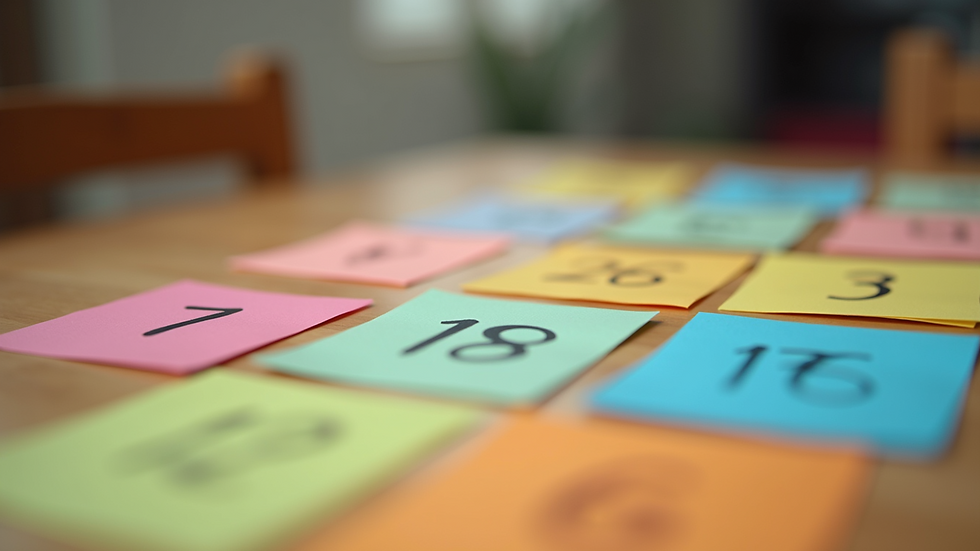
Create Colorful Flashcards: Use different colors for different numbers. For example, all multiples of 2 can be blue, while multiples of 3 can be green.
Incorporate Images: Add images that represent the multiplication facts. For instance, for 3 x 4, you could draw three groups of four apples.
Practice Regularly: Set aside a few minutes each day to review the flashcards.
2. Engaging Games and Activities
Games can make learning multiplication tables more enjoyable. Here are a few ideas:
Multiplication Bingo: Create bingo cards with products instead of numbers. Call out multiplication problems, and players mark the answers on their cards.
Board Games: Use board games like Monopoly or Snakes and Ladders, but modify them to include multiplication questions. Players must answer correctly to advance.
Online Games: There are numerous educational websites and apps that offer interactive multiplication games.
3. Songs and Rhymes
Music is a powerful tool for memory retention. Here’s how to use songs and rhymes:
Create Your Own Songs: Turn multiplication facts into catchy tunes. For example, use a familiar melody and insert the multiplication facts.
Use Existing Songs: There are many educational songs available online that teach multiplication tables through music.
4. Storytelling Techniques
Storytelling can help contextualize multiplication facts. Here’s how to incorporate this technique:
Create a Story: Develop a story that includes multiplication facts. For example, “If a farmer has 4 fields and each field has 5 apple trees, how many apple trees does he have in total?”
Use Characters: Introduce characters that represent numbers. This can make the facts more relatable and easier to remember.
5. Hands-On Activities
Kinesthetic learners often benefit from hands-on activities. Here are some ideas:
Use Manipulatives: Objects like blocks or counters can help visualize multiplication. For example, to understand 3 x 4, group 3 sets of 4 blocks.
Cooking Projects: Involve learners in cooking, where they can measure ingredients using multiplication. For example, if a recipe calls for 2 cups of flour for one batch, ask how much is needed for three batches.
6. Patterns and Tricks
Recognizing patterns can simplify learning multiplication tables. Here are some patterns to note:
Multiples of 5: The last digit alternates between 0 and 5 (5, 10, 15, 20).
Multiples of 9: The digits of the products add up to 9 (9, 18, 27, etc.).
Doubling: For multiples of 2, learners can double the previous number (2, 4, 6, 8).
Tips for Parents and Educators
Supporting learners in mastering multiplication tables can be a rewarding experience. Here are some tips for parents and educators:
Be Patient: Every learner progresses at their own pace. Encourage them and celebrate small victories.
Incorporate Daily Practice: Short, consistent practice sessions are more effective than long, infrequent ones.
Use Positive Reinforcement: Praise efforts and improvements to build confidence.
Conclusion
Mastering multiplication tables doesn’t have to be a chore. By incorporating fun techniques such as flashcards, games, songs, storytelling, hands-on activities, and recognizing patterns, learners can engage with multiplication in a meaningful way. Remember, the goal is to make learning enjoyable and effective.
Encourage learners to practice regularly and explore different methods to find what works best for them. With patience and creativity, anyone can master multiplication tables and build a strong foundation for future math success.
Now, it’s time to put these techniques into action! What fun method will you try first?

Comments