Boost Math Skills: Learn Multiplication Fast
Mathematics can often feel daunting, especially when it comes to multiplication. Many students struggle with this fundamental skill, which is essential for success in higher-level math and everyday life. But what if there were effective strategies to help you or your child learn multiplication quickly and efficiently? In this blog post, we will explore various techniques, tips, and resources to boost math skills and make learning multiplication a breeze.

Understanding the Importance of Multiplication
Multiplication is more than just a math operation; it is a foundational skill that supports various aspects of learning and daily life. Here are a few reasons why mastering multiplication is crucial:
Building Blocks for Advanced Math: Multiplication is essential for understanding more complex mathematical concepts, such as division, fractions, and algebra.
Real-Life Applications: From calculating expenses to measuring ingredients in cooking, multiplication is a skill used in everyday situations.
Boosting Confidence: Mastering multiplication can significantly enhance a student's confidence in their math abilities, leading to better performance in school.
Techniques to Learn Multiplication Fast
1. Use Visual Aids
Visual aids can make learning multiplication more engaging and effective. Here are some options:
Multiplication Charts: A multiplication chart provides a visual representation of multiplication facts. Students can refer to it as they practice.
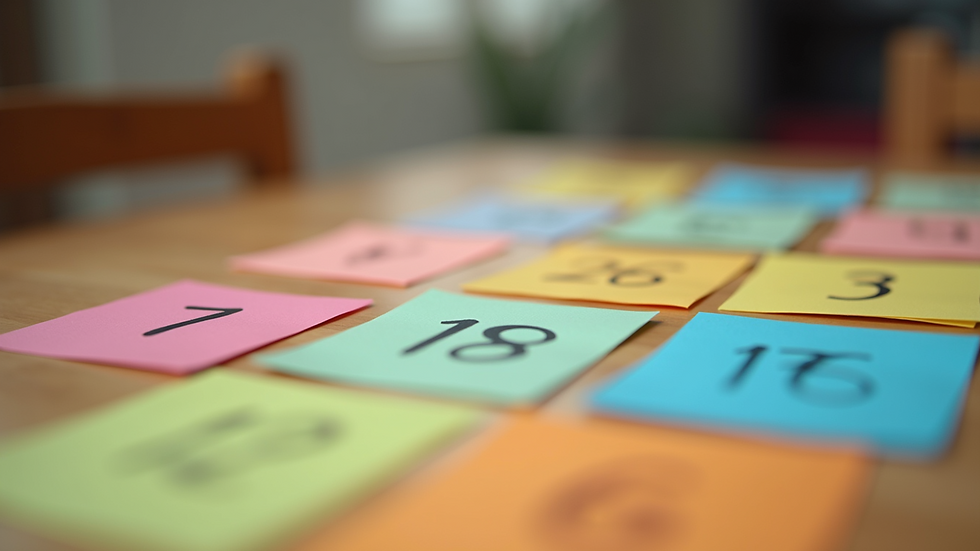
Flashcards: Create or purchase flashcards with multiplication problems on one side and answers on the other. This method encourages active recall and helps reinforce memory.
2. Incorporate Games
Learning through play can make multiplication more enjoyable. Here are some game ideas:
Multiplication Bingo: Create bingo cards with multiplication problems. Call out the answers, and students can mark the corresponding problems on their cards.
Online Math Games: Websites like Cool Math Games and Math Playground offer interactive multiplication games that can make learning fun.
3. Practice with Real-Life Scenarios
Applying multiplication to real-life situations can help students understand its relevance. Here are some examples:
Shopping: When shopping, ask students to calculate the total cost of multiple items. For instance, if one shirt costs $15, how much do three shirts cost?
Cooking: Involve students in cooking by asking them to double or triple a recipe. This practical application reinforces multiplication skills.
4. Break It Down
Breaking down multiplication into smaller, manageable parts can help students grasp the concept more easily. Here’s how:
Skip Counting: Teach students to skip count by 2s, 5s, or 10s. This method lays the groundwork for understanding multiplication.
Using Arrays: Visualizing multiplication as arrays (rows and columns) can help students see the relationship between numbers. For example, 3 x 4 can be represented as three rows of four dots.
5. Encourage Memorization Techniques
While understanding multiplication is essential, memorizing multiplication facts can speed up the process. Here are some techniques:
Rhymes and Songs: Create catchy rhymes or songs that incorporate multiplication facts. Music can enhance memory retention.
Patterns: Help students recognize patterns in multiplication tables. For example, the products of 5 always end in 0 or 5.
Resources for Learning Multiplication
1. Books and Workbooks
There are numerous books and workbooks available that focus on multiplication. Look for those that include engaging activities and practice problems. Some popular titles include:
"Multiplication Unplugged" by Greg Tang: This book uses rhymes and illustrations to teach multiplication in a fun way.
"Math Made Easy: Multiplication" by Ruth Heller: This workbook provides exercises and explanations to reinforce multiplication skills.
2. Online Resources
The internet is a treasure trove of resources for learning multiplication. Here are some websites to explore:
Khan Academy: Offers free lessons and practice exercises on multiplication.
IXL: Provides personalized practice in multiplication, allowing students to work at their own pace.
3. Apps
Mobile apps can make learning multiplication accessible and fun. Consider these options:
Times Tables by 123 Kids: An interactive app that helps children learn multiplication through games and quizzes.
Mathway: This app allows students to input multiplication problems and provides step-by-step solutions.
Tips for Parents and Educators
1. Create a Positive Learning Environment
Encouragement and support can significantly impact a student's learning experience. Here are some ways to foster a positive environment:
Celebrate Progress: Acknowledge and celebrate small victories in mastering multiplication. This can motivate students to keep practicing.
Be Patient: Every student learns at their own pace. Be patient and provide assistance when needed.
2. Set a Regular Practice Schedule
Consistency is key when it comes to mastering multiplication. Establish a regular practice schedule that fits into the student's routine. Here are some tips:
Short Sessions: Keep practice sessions short (15-20 minutes) to maintain focus and prevent burnout.
Daily Practice: Encourage daily practice, even if it's just a few problems. Regular exposure helps reinforce learning.
3. Use Positive Reinforcement
Positive reinforcement can encourage students to engage with multiplication practice. Here are some ideas:
Reward Systems: Create a reward system for completing practice sessions or achieving specific goals.
Praise Effort: Focus on praising the effort rather than just the outcome. This approach fosters a growth mindset.
Common Challenges and Solutions
1. Difficulty Memorizing Facts
Many students struggle to memorize multiplication facts. Here are some strategies to help:
Repetition: Encourage regular review of multiplication facts through flashcards or timed quizzes.
Chunking: Break down facts into smaller groups. For example, focus on the 2s and 3s before moving on to the 4s and 5s.
2. Math Anxiety
Math anxiety can hinder a student's ability to learn multiplication. Here’s how to address it:
Relaxation Techniques: Teach students relaxation techniques, such as deep breathing, to help manage anxiety during math practice.
Positive Mindset: Encourage a positive mindset by emphasizing that mistakes are part of the learning process.
Conclusion
Learning multiplication doesn't have to be a daunting task. By incorporating engaging techniques, utilizing resources, and fostering a supportive environment, students can boost their math skills and learn multiplication quickly. Remember, the key is consistency and practice. So, gather those flashcards, play some games, and make multiplication a fun and rewarding experience.
Now that you have these strategies at your disposal, it's time to take action. Start implementing these techniques today and watch as multiplication becomes a breeze!

Comments